



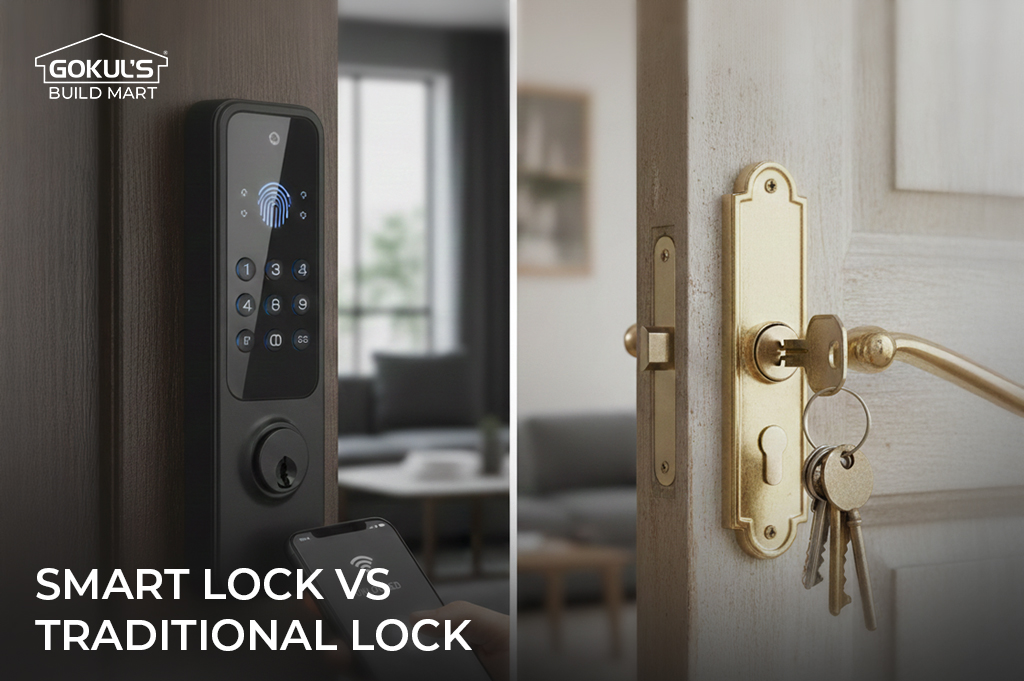
Choosing the right lock for your home isn’t just about security anymore. It’s about convenience, technology, and peace of mind. When comparing smart locks vs traditional locks, it’s clear that modern homeowners now want both safety and high-tech features. At Gokuls Build Mart, we understand this shift. Whether you’re considering upgrading to the best smart locks for main door security or sticking with what you know, this guide will help you make an informed decision.
What We Mean by Smart Locks and Traditional Locks
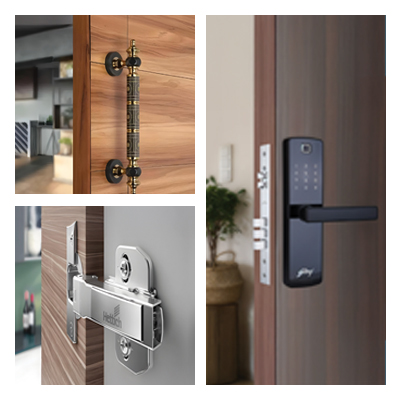
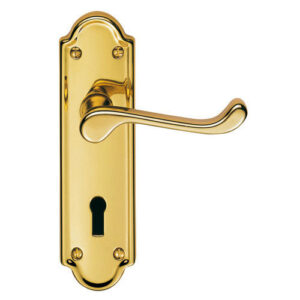
Traditional Locks are the mechanical locks most of us grew up with. They use physical keys, deadbolts, and cylinder mechanisms. You’ll find them as plate handle locks, cylindrical locks, cabinet locks, and standard door locks. They’re simple, reliable, and don’t need batteries or Wi-Fi.
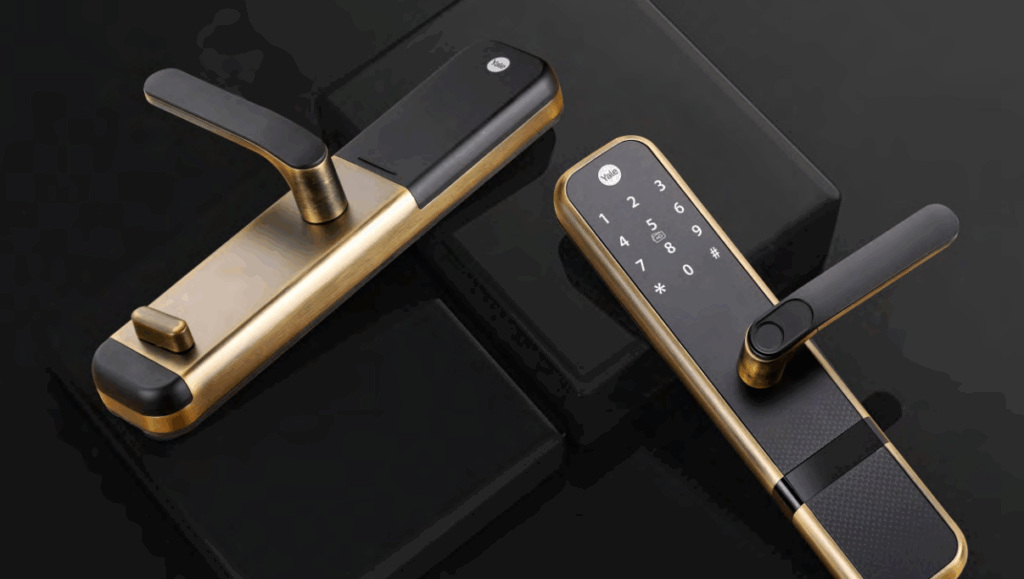
Smart Locks bring your home into the digital age. These electronic locks can be opened using smartphones, keypads, fingerprints, or even voice commands. Many models connect to your home Wi-Fi, allowing you to lock or unlock your door from anywhere. These smart safe locks combine cutting-edge technology with robust security features designed for modern homes.
The main difference? Traditional locks are purely mechanical, while smart door lock systems offer keyless entry and remote access capabilities.
Why People Still Trust Traditional Locks (Pros & Cons)
Despite all the new technology, traditional locks remain popular for good reasons.
Pros:
- No power needed – They work during power outages and never need charging
- Simple to use – Everyone knows how to use a key
- Lower upfront cost – Generally more affordable than smart alternatives
- No hacking risk – Can’t be accessed digitally or remotely
- Long-lasting – Quality locks like our plate handle locks and cylindrical locks can last decades
- No technical issues – No apps to update or connectivity problems to troubleshoot
Cons:
- Keys can be lost or stolen – Replacing them or rekeying locks costs money
- No remote access – You can’t let someone in when you’re not home
- Limited tracking – You won’t know who entered or when
- Inconvenient – Fumbling for keys with groceries in hand is frustrating
- Easy to forget – Many people accidentally leave doors unlocked
Traditional locks work perfectly fine for cabinet locks and lockers where smart features aren’t necessary, but main doors might benefit from additional functionality.
Are Smart Locks Worth the Extra Cost? Pros and Cons
Smart locks offer impressive features, but they come with their own set of considerations.
Pros:
- Keyless convenience – Use your phone, code, or fingerprint instead of keys
- Remote control – Lock or unlock from anywhere through your smartphone
- Access logs – Know exactly who comes and goes and when
- Temporary access – Give guests or service workers time-limited entry codes
- Integration – Works with smart home systems and voice assistants
- Auto-lock feature – Never worry about forgetting to lock up again
- No rekeying needed – Simply delete old codes when needed
Cons:
- Higher initial cost – Smart safe locks typically cost more upfront
- Requires power – Needs batteries or an electrical connection
- Potential tech issues – Apps can malfunction, or connectivity can drop
- Learning curve – Some family members may need time to adjust
- Security concerns – Digital locks can potentially be hacked, though quality brands have strong encryption
- Compatibility – May not fit all door types without modification
For your main entrance, the best smart locks for main door applications provide a perfect blend of security and modern convenience that traditional locks simply cannot match.
Smart Locks vs Traditional Locks: What’s the Better Deal?
Traditional locks cost less today, but smart locks save you headaches tomorrow. Think about it this way: if you often have family members visiting, forget your keys regularly, or simply want to know who’s coming and going, a smart door lock pays for itself in peace of mind. It’s like choosing between a basic phone and a smartphone—the extra cost gets you features that make daily life smoother.
Making Your Decision
When weighing Smart Locks vs. Traditional Locks, consider your lifestyle and priorities. Traditional locks are ideal if you value simplicity, lower costs, and mechanical reliability. They’re perfect for secondary doors, cabinets, and situations where smart features aren’t necessary. Smart locks shine when convenience and control matter most. They’re excellent for busy families, rental properties, or anyone who wants to monitor home access. The ability to grant temporary access codes, receive alerts, and never worry about lost keys makes them increasingly popular.
Frequently Asked Questions
Can smart locks be hacked?
Quality smart locks use bank-level encryption and are very difficult to hack. Choose reputable brands and keep firmware updated for maximum security.
What happens if the battery dies?
Most smart locks alert you weeks in advance when batteries are low. Many also have backup physical key options or external power ports.
Are traditional locks more secure?
Both can be equally secure when properly installed. Traditional locks are immune to digital attacks, while smart locks are harder to pick and provide better monitoring.
Can I install a smart lock myself?
Many smart locks are DIY-friendly and fit standard door preparations, though professional installation ensures proper functioning.
Do smart locks work without internet?
Most smart locks function locally without internet, but you’ll need connectivity for remote access and notifications.