




Choosing the right tiles for your home can feel overwhelming, especially when you’re standing in a showroom surrounded by varieties of options. At Gokuls Build Mart, we understand this confusion. That’s why we’re breaking down everything you need to know about wall tiles and floor tiles – because yes, they’re quite different, and using the wrong one can lead to costly mistakes.
Why Wall and Floor Tiles Are Not the Same
Here’s something many homeowners don’t realize: you can’t just pick any tile and use it anywhere. Wall tiles and floor tiles are manufactured with completely different purposes in mind.
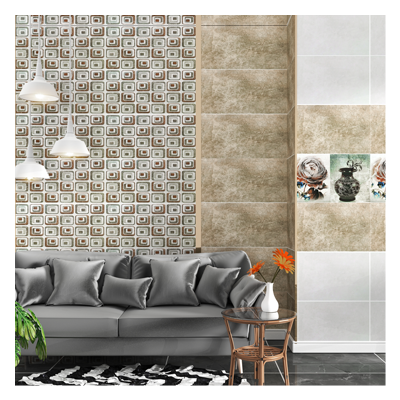
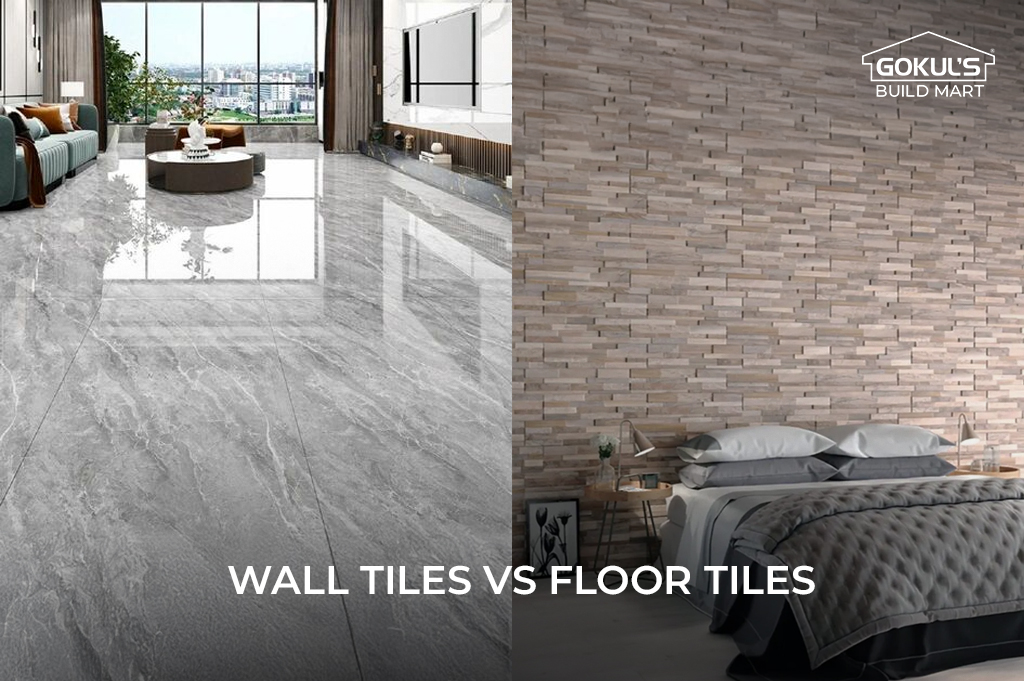
Wall tiles are designed to be lightweight and decorative. Since they don’t need to handle foot traffic, they focus on aesthetics – think glossy finishes, intricate patterns, and vibrant colors. At Gokuls Build Mart, our wall tiles collection includes everything from elegant ceramics to stunning premium tile series that transform ordinary walls into design statements.
Floor tiles, on the other hand, are built tough. They need to withstand constant walking, furniture weight, and occasional drops. This means they’re thicker, heavier, and have a textured surface to prevent slipping. Our floor tiles range includes durable options for every space, including outdoor tiles for patios and gardens.
Want to know the technical secret? It’s called the PEI rating – basically a toughness score. Floor tiles score between 3 to 5, while wall tiles score below 3. Placing wall tiles on your floor is like wearing fancy dress shoes on a mountain hike – looks nice in theory, disaster in reality
What Is the Difference Between Wall Tiles and Floor Tiles
Let’s break down the key differences in a way that makes sense:
- Thickness and Weight: Floor tiles are substantially thicker (8-12mm) compared to wall tiles (5-8mm). This extra thickness provides the strength needed to handle daily wear and tear without cracking.
- Surface Texture: Wall tiles often have smooth, glossy finishes that make cleaning easy and reflect light beautifully. Floor tiles feature textured or matte surfaces for better grip and safety, especially in wet areas.
- Water Absorption: Floor tiles have lower water absorption rates, making them ideal for kitchens, bathrooms, and outdoor spaces. This is why our outdoor tiles perform exceptionally well in Indian weather conditions.
- Design Flexibility: Wall tiles offer more creative freedom with bold colors and delicate patterns. Our natural tile series, for instance, works wonderfully on feature walls, bringing organic elegance indoors.
The latest floor tiles design trends focus on large formats and wood-look planks, while wall tiles embrace geometric patterns and artistic motifs. Understanding these differences helps you make smarter choices for each space in your home.
What You Need to Know Before Choosing Wall and Floor Tiles
Shopping for tiles doesn’t have to be complicated. Here’s your practical guide:
Consider the room’s function first. Bathrooms need slip-resistant floor tiles with low water absorption. Living rooms can handle polished floor tiles that add elegance. Kitchens benefit from stain-resistant options that are easy to clean.
Think about maintenance. Glossy wall tiles show water spots but are easy to wipe down. Textured floor tiles hide dirt better but require more thorough cleaning. At Gokuls Build Mart, our team helps customers choose wall tiles that match their lifestyle and maintenance preferences.
Budget matters, but quality matters more. Cheaper floor tiles might crack within a year, while investing in our premium tile series ensures decades of beauty and performance. Our natural tile series offers the perfect middle ground – authentic looks without the premium stone price tag.
Don’t forget about grout and installation. Floor tiles require stronger adhesive and wider grout lines to accommodate movement and weight. Wall tiles use thinner adhesive layers and can have minimal grout lines for a seamless appearance.
Which Tiles Hold Up Better Over the Years
When you’re investing in tiles, you want them to look good not just today, but years down the line. Here’s the honest truth: floor tiles are the real warriors. They’re built to handle 20-30 years of daily life – footsteps, spills, dropped utensils, and everything in between – without losing their charm.
Wall tiles? They’re equally long-lasting, but they’re more sensitive to their surroundings. Too much moisture or sudden temperature swings can cause problems. That’s why choosing quality wall tiles from Gokuls Build Mart makes all the difference – no cracks, no fading, just lasting beauty.
Here’s something most people overlook: even the best tiles won’t survive poor installation. Think of it like buying an expensive phone but dropping it on day one. We make sure you get proper installation guidance because your tiles deserve to reach their full potential.
Living in India means dealing with extreme weather – brutal summers and heavy monsoons. Our floor tiles and outdoor tiles are tested for exactly these conditions, so they don’t just survive our climate, they thrive in it.
Frequently Asked Questions
Can I use floor tiles on walls?
Yes, absolutely! Floor tiles work perfectly on walls, though they’re heavier and may require additional support. Many customers use our floor tiles on accent walls for a cohesive look.
Why shouldn’t I use wall tiles on floors?
Wall tiles aren’t designed to handle weight and foot traffic. They’ll crack, chip, or break quickly, creating safety hazards and requiring expensive replacements.
Which is more expensive?
Generally, floor tiles cost more due to their durability and manufacturing process. However, Gokuls Build Mart offers competitive pricing across both categories without compromising quality.
How do I choose between matte and glossy finishes?
For floors, choose matte or textured for safety. For walls, glossy finishes work beautifully in well-lit spaces, while matte creates a sophisticated, modern look.