








Choosing between an Indian toilet vs. Western toilet is one of the most common dilemmas homeowners face during bathroom construction or renovation. Both options have their own advantages and disadvantages. This guide will help you understand the key differences so you can make the right choice for your home and family.
Understanding the Basic Difference
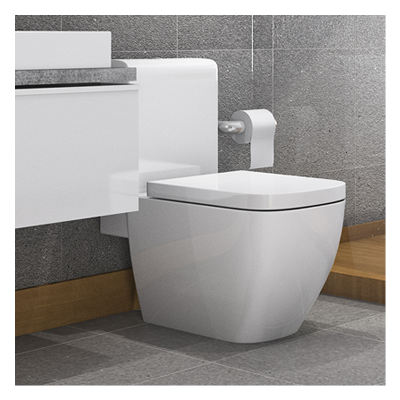
An Indian toilet requires you to squat while using it. The pan is installed at floor level and you place your feet on either side of the pan. A Western toilet allows you to sit comfortably like you would on a chair. It comes with a raised seat and bowl mounted either on the floor or hung on the wall.
The Health Perspective
How Your Body Position Matters
When you squat on an Indian toilet your hips create a 35 degree angle. This natural position completely straightens your rectal passage making elimination easier and more complete. Think of it like opening a water hose fully so water flows without any blocks.
When you sit on a Western toilet your hips bend at 90 degrees. This creates a kink in your colon similar to bending a garden hose. The flow gets partially blocked and you may need to strain to complete the process.
Health Benefits of Squatting
The squatting position helps prevent constipation and hemorrhoids because it allows complete evacuation without straining. Medical studies suggest that this natural position may also reduce the risk of colon diseases over time.
The Knee Warning
While squatting is excellent for digestion it puts significant pressure on your knees and ankles. If you have arthritis or joint pain or if you are elderly then squatting can be difficult and even dangerous. This is a critical factor to consider.
Hygiene Comparison
The Contactless Advantage
The biggest hygiene benefit of an Indian toilet is that your body never touches any surface. This makes it extremely hygienic especially in shared bathrooms or public spaces. There is zero risk of skin infections from contact.
With a Western toilet your skin directly touches the seat. In shared homes this can transfer germs unless you sanitize the seat daily. Many people feel uncomfortable using Western toilets in public places for this exact reason.
Cleaning and Maintenance
Indian toilets are easier to maintain. You can wash the entire bathroom floor with water and it drains directly into the pan. Everything stays wet friendly and simple to clean.
Western toilets require more effort to clean properly. You need to clean behind the commode under the rim and around the seat. This requires a separate toilet brush and chemical cleaners. The areas behind the toilet bowl are harder to reach.
Splash Factor
Indian toilet pans are deeper which significantly reduces splash back. Western toilet bowls have shallow water levels which can sometimes cause uncomfortable splashing.
Space and Installation Requirements
Indian Toilet Space Needs
Indian toilets save visual space because they sit flush with the floor. However installation requires raising the floor level by approximately one foot to accommodate the trap underneath. This is especially important in apartments where plumbing adjustments are needed.
Western Toilet Space Options
Floor mounted Western toilets take up about 26 to 30 inches of depth from the wall. They have a visible presence in the bathroom.
Wall hung Western toilets are the most space efficient modern option. The flush tank is concealed inside the wall making your bathroom look premium and spacious. The floor beneath remains completely open for easy cleaning.
Understanding Plumbing Traps
Both toilet types use either an S trap or P trap. An S trap is used when the waste pipe goes into the floor. A P trap is used when the waste pipe goes into the wall. Your plumber will determine which one your bathroom needs.
Water Consumption Reality
Breaking the Myth
Many people believe Western toilets waste more water but modern models are actually very efficient.
Indian toilet water usage: When using a bucket you typically use 10 to 15 liters per flush because usage is uncontrolled. With a flush tank Indian toilets use about 6 to 10 liters.
Western toilet water usage: Modern Western toilets come with dual flush technology. The half flush uses only 3 liters for liquid waste and the full flush uses 6 liters for solid waste. This can save thousands of liters of water every year compared to bucket flushing.
Comparing Indian Toilet Seat vs Western Toilet Seat Comfort
When we look at the indian toilet seat vs western toilet seat debate comfort plays a major role. The Western toilet seat allows you to sit like you are on a chair making it extremely comfortable for extended use. This is especially helpful for elderly people pregnant women or anyone with mobility issues.
The Indian toilet does not have a seat in the traditional sense. You squat over the pan which can be tiring for your legs especially if you need more time. For people with strong knees and good flexibility this is not an issue.
Indian Toilet vs. Western Toilet Which is Better
The question of indian toilet vs western toilet which is better does not have a single answer. It depends entirely on who will be using the bathroom.
Choose Indian toilet if: You want maximum hygiene with no body contact. You have strong knees and no joint problems. You prefer the natural squatting position for better digestion. You are setting up a guest bathroom where hygiene is the top priority.
Choose Western toilet if: You have elderly family members at home. Anyone in your family has knee pain or arthritis. You want a modern luxurious look for your master bathroom. You prefer comfort during bathroom use.
The Middle Ground Solutions
Anglo Indian Toilets
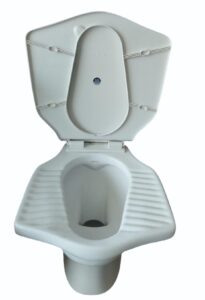
Cannot decide between the two? There is a hybrid option called the Anglo Indian toilet. This design allows you to either sit on it like a Western toilet or squat on the rim with wider footrests. It gives you the flexibility to use both positions based on your preference.
The Squat Stool Option
If you have a Western toilet but want the health benefits of squatting you can use a simple squat stool. This is a small plastic stool that you place in front of your Western toilet. Rest your feet on it while sitting and it creates the beneficial 35 degree angle without putting pressure on your knees.
Recommendations Based on User Needs
For elderly parents: Always install a Western toilet either wall hung or floor mounted. This prevents dangerous falls and reduces knee strain significantly.
For guest bathrooms: Many families prefer an Indian toilet in guest bathrooms. Guests often feel more comfortable with the touch free hygiene option especially when sharing facilities.
For master bathrooms: A wall hung Western toilet creates a luxury hotel like appearance and makes floor cleaning incredibly easy. It is the premium choice for modern homes.
Making Your Final Decision
Both Indian and Western toilets serve the same basic purpose but in very different ways. Think about who will use the bathroom most often. Consider their age physical abilities and comfort preferences. Also think about your cleaning habits and whether you prefer the modern look or traditional functionality.
At Gokul’s Build Mart in Salem we stock all types of toilets including Indian pans Western commodes wall hung models and Anglo Indian hybrid options. We also carry the latest dual flush systems that help you save water without compromising on performance. Visit our showroom in Salem to see these products in person. Our experienced team will help you choose the perfect toilet type for each bathroom in your home. We understand that every family has different needs and we are here to guide you toward the best solution.
Gokul’s Build Mart offers quality sanitary ware that combines functionality with style. Come see our collection and make your home modern comfortable and perfectly suited to your lifestyle.
FAQs About Indian and Western Toilets
Can pregnant women safely use Indian toilets or should they switch to Western toilets?
Pregnant women should avoid Indian toilets especially in later months as squatting puts pressure on the abdomen and increases fall risk. Western toilets with grab bars are the safest and most comfortable option during pregnancy.
Is the indian toilet seat vs western toilet seat debate important for children?
Yes it matters greatly because young children find Western toilet seats more comfortable and safer with a child seat adapter. Indian toilets can be challenging and unsafe for kids under 5 years who may lose balance while squatting.
For the indian toilet vs western toilet which is better choice in terms of resale value?
Western toilets typically add more resale value to modern apartments and homes as buyers prefer contemporary fittings. However having one Indian toilet in a multi bathroom home appeals to traditional buyers and provides flexibility.
Do hotels and hospitals prefer Indian or Western toilets and why?
Most hotels exclusively use Western toilets for guest comfort and international standards while hospitals use both types. Hospitals keep Indian options for patients who prefer them but prioritize Western toilets with safety rails for elderly and disabled patients.